Cute Little Rosette: A Designer's Review for Real Embroidery
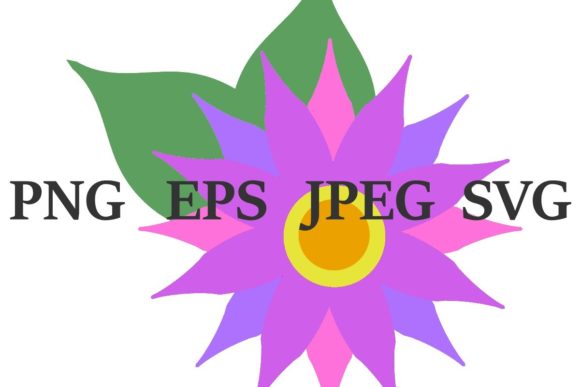
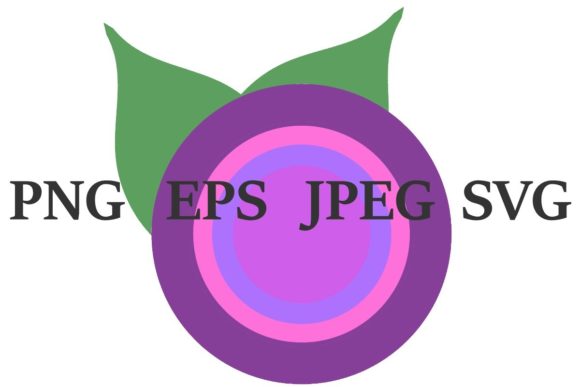
As someone who has spent years stitching designs onto everything from stiff denim to delicate silk, I know that the difference between a good project and a great one often comes down to the initial file. When I first pulled up Cute Little Rosette, my immediate reaction wasn't about the file formats or the DPI count; it was about the mood. This design exudes a soft, springtime warmth that feels perfectly suited for the handmade market right now. It is not just an Illustrations asset; it is a potential centerpiece for a boutique collection.
The visual personality of this rosette is gentle yet structured. In the world of machine embroidery, where lines can sometimes get lost in the thread, the layout of Cute Little Rosette suggests a clean flow. It creates a sense of organic movement without looking messy. For a designer eyeing this for their next batch of custom apparel, the shape offers a classic floral appeal that transcends trends. It feels like something a customer would proudly wear on a Sunday brunch tote or gift to a new mother for a baby shower.
From Digital File to Finished Product
I recently put Cute Little Rosette through a real-world test scenario to see how it translates from screen to fabric. The goal was to create a personalized gift set: a linen apron and a matching kitchen towel featuring the rosette as the main focal point. The challenge with any floral motif is ensuring that the petals don't collapse under the weight of the stitches or look muddy when the thread colors are close together.
When I loaded the embroidery file into the hoop, the first thing I noticed was the balance of the design. It did not feel overly dense, which is a common pitfall in many digital assets. However, because the listing mentions specific file types like SVG, PNG, JPEG, and EPS, it is crucial to understand that these are likely cut files or printable graphics intended for use as applique guides or print-and-stitch projects rather than a direct-to-machine digitized stitch file. If you are using this as a base for an applique design, the crisp edges provided by the high-resolution PNG at 300 DPI will make your cutting process much smoother.
In the finished product, the rosette looked vibrant against the natural linen. The contrast between the thread and the fabric texture elevated the perceived value of the item. Customers buying handmade goods are looking for quality, and a well-executed flower like this signals attention to detail. It transforms a simple kitchen towel into a keepsake. Similarly, placing this on a sweatshirt embroidery project would add a touch of whimsy that appeals to younger demographics, while keeping it sophisticated enough for a professional boutique brand.
Where This Design Shines Best
Cute Little Rosette finds its sweet spot in products that benefit from a central, decorative accent. It is an ideal candidate for a tote bag design where space allows for a medium-sized focal point. The shape works beautifully on the front panel of a canvas bag, drawing the eye immediately. For those running a craft business or selling on Etsy, this design is versatile enough to be adapted for various merchandise.
Consider a nursery decor project. Stitching this on a baby blanket or a onesie creates an instant emotional connection. Parents love items that feel personal and soft. The rosette theme fits perfectly into a "Spring Baby" collection or a gender-neutral nursery aesthetic. Furthermore, for holiday embroidery projects, this design could be reimagined with seasonal thread colors to fit Easter or Mother's Day themes without needing to alter the underlying structure.
The design also holds promise for commercial embroidery applications, such as branding patches for small shop owners. If you are creating a logo for a bakery or a craft studio, this floral element can serve as a friendly icon. Its simplicity ensures it remains legible even when scaled down slightly for a patch on a cap or hat. The versatility extends to pillow covers, where the rosette can anchor a larger pattern or stand alone as a statement piece.
Navigating Potential Pitfalls
However, no design is without its challenges, and a professional review must address where things might go wrong. One area to exercise caution is with smaller hoop sizes. While the listing notes a minimum size of at least 4 inches, attempting to stitch this in a very tight 3-inch hoop could result in cramped details. If the petals are too close together, the satin stitch might struggle to lay flat, leading to puckering.
Fabric choice is equally critical. On stretchy fabrics like jersey knits used for t-shirts, the stabilizer needs to be robust to prevent distortion. Without proper backing, the tension required to form the rosette could cause the garment to ripple around the design. Similarly, textured fabrics like heavy wool or boucle can hide the fine details of the flower. The stitch density must be reviewed carefully to ensure the design does not sink into the fabric pile.
Dense stitch areas require patience. If the design relies heavily on fill stitches to create the body of the flower, you must ensure your machine can handle the load without breaking needles or threads. Dark fabrics present another hurdle; if you do not have a high-contrast thread palette ready, the rosette might disappear into the background. Always test the color combination before committing to a full production run.
Practical Notes for the Modern Maker
Before you start stitching, there are several technical steps every embroidery designer should take. First and foremost, test the design on scrap fabric that matches your final project material. This reveals how the thread colors interact with the specific weave of your cloth. Check the hoop size requirements again; if the design is meant to be 4 inches, ensure your machine's hoop can accommodate that dimension comfortably.
If you are using this as a digital embroidery file for a print-and-stitch method, verify the alignment marks. For applique work, inspect the small details to ensure they are distinct enough to be cut out cleanly. Using a proper stabilizer is non-negotiable; it provides the foundation needed for the running stitch and satin stitch to sit correctly on the surface.
It is also wise to compare light and dark fabric backgrounds in your mockups. Sometimes a design looks perfect on white but loses impact on navy blue. If you are selling finished items, confirm the licensing terms explicitly. Does the purchase allow for commercial use? Can you sell the physical embroidered products, or is the license restricted to personal gifts? These questions protect your small shop product line from legal issues.
Finally, consider the presentation. A well-stitched Cute Little Rosette adds to the brand consistency of your handmade products. It shows that you care about the aesthetics of the finished product, which builds trust with buyers. Whether you are creating a personalized gift for a friend or a mass-produced line for a craft fair, the quality of the execution matters more than the complexity of the design itself.
In conclusion, Cute Little Rosette is a solid addition to any creative entrepreneur's toolkit. It offers a blend of charm and structural integrity that works well across a variety of mediums. By paying attention to fabric selection, stabilization, and thread choices, you can turn this graphic into a standout piece that customers will love. Just remember to check all technical specifications before starting your next embroidery project.