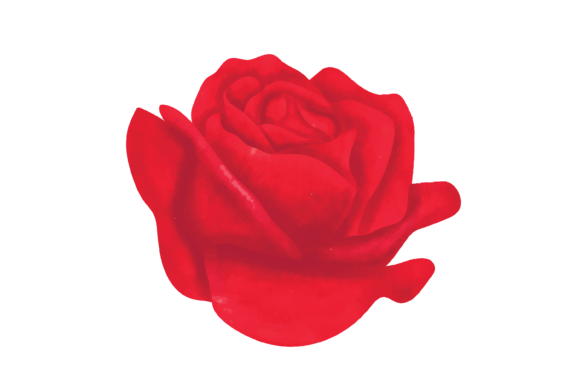
Watercolor Rose Flower: A Designer's Review
As someone who has spent years reviewing machine embroidery design assets for both personal craft projects and commercial client work, I know that the difference between a good stitch and a great finished product often comes down to the source file. Today, I am evaluating a specific asset called Watercolor Rose Flower. At first glance, this pack of rose flowers with three color variations might seem like just another entry in the sea of free graphics available online. However, when you look at it through the lens of a designer preparing for real-world production, the potential becomes clear.
The first impression of Watercolor Rose Flower is one of soft elegance. The watercolor aesthetic brings a dreamy, organic quality that stands out against the rigid lines often found in traditional vector art. For an embroidery project, this mood is crucial. It suggests a design that belongs on items meant to be cherished rather than just worn. Whether you are an Etsy seller looking to boost your boutique inventory or a hobbyist creating a personalized gift, this design immediately elevates the perceived value of the item. It feels less like a standard logo and more like a piece of art waiting to be stitched.
Real-World Application: From Digital File to Finished Product
To truly understand the utility of this design, we have to move beyond the screen and imagine the stitching process. Let us say you are preparing a custom embroidered tote bag for a local artisan market. You need something that catches the eye but doesn't overwhelm the fabric. When I visualize Watercolor Rose Flower on a canvas tote, the three color variations offer immediate versatility. You could use the lighter variation for a pastel background or the darker tones for a navy bag to create contrast.
This same logic applies to baby clothing. The soft, flowing nature of the watercolor style translates beautifully to baby bodysuits or nursery decor. Unlike harsh geometric shapes, the fluid edges of these roses mimic the gentle curves of infant wear. Imagine a small shop owner creating a set of matching pillow covers and tea towels for a wedding registry. The consistency of the embroidery file across different products creates a cohesive brand identity. Customers trust shops that present a unified aesthetic, and Watercolor Rose Flower provides that professional polish without requiring complex layering techniques.
For apparel decorators working on sweatshirts or caps, the design offers a unique opportunity. While caps are notoriously difficult due to their curved surfaces, a design with a balanced layout can sit well on the front panel. The key here is how the design handles the transition from digital to thread. If the original artwork relies heavily on tiny details, those details might get lost in the texture of a heavy knit sweater. However, if the design maintains its core shape while allowing for some artistic interpretation during digitizing, it becomes a standout feature on a hoodie.
Navigating Technical Challenges and Fabric Limitations
While the visual appeal is undeniable, a practical designer must also consider where this design should be used carefully. Not every surface is suitable for a watercolor-inspired embroidery project. One of the primary concerns is the stitch density. Watercolor effects often imply gradients and soft edges. In machine embroidery, achieving these looks requires careful planning of satin stitches and fill stitches. If the design is too dense, it can cause puckering, especially on thin fabrics or stretchy materials like jersey.
I would advise caution when attempting to stitch this on dark fabrics without proper underlay. The colors might not pop as intended, and the watercolor effect could turn muddy if the background fabric bleeds through the stitching. Similarly, for small hoop sizes, such as those used for wristbands or delicate jewelry pouches, the intricate corners of the flower petals might become distorted. The design shines best on stable, medium-weight fabrics like cotton twill, linen, or denim, where the structure can support the complexity of the pattern.
Another critical factor is the longevity of the finished product. If you are creating items for frequent washing, such as kitchen towels or aprons, the stability of the stitches is paramount. Designs with long running stitches or loose areas can snag easily. Before committing to a full production run, it is essential to test the design on scrap fabric. This step ensures that the stitch density is appropriate and that the stabilizer chosen matches the weight of the base material. Without this testing phase, even the most beautiful design can result in a ruined garment.
Practical Notes for Designers and Business Owners
When integrating Watercolor Rose Flower into your workflow, whether for a craft business or a personal collection, there are several technical steps to keep in mind. First, always review the file formats provided. The mention of high-resolution EPS and SVG files suggests flexibility, but you must ensure these vectors translate correctly into your embroidery software. Convert them to the specific format required by your machine, paying close attention to how the color variations are assigned to thread colors.
If you are using this for commercial purposes, such as selling custom apparel or creating digital product previews, check the licensing terms carefully. The description notes that you can contact the creator, which implies there may be specific restrictions or permissions regarding resale. As an experienced reviewer, I cannot stress enough the importance of confirming whether the license allows for commercial use of the finished physical goods. Selling items made from a freebie without proper clearance can lead to legal issues down the line.
For those focusing on branding, consider how the design affects customer perception. A well-executed embroidered patch or a clean tote bag design signals professionalism. Customers are willing to pay more for handmade products that show attention to detail. The watercolor theme adds a touch of sophistication that appeals to buyers looking for unique, artisanal gifts. By combining this aesthetic with high-quality stitching, you create a product that feels special and worth the investment.
Finally, do not overlook the importance of mockups. Before sending a design to production, view it in black and white and on various fabric textures. This helps you gauge the contrast and ensure that the design retains its integrity regardless of the background. If the design works well in grayscale, it will likely hold up under the lighting conditions of a retail display or an online listing.
In conclusion, Watercolor Rose Flower is more than just a pretty graphic; it is a versatile tool for designers and makers. Its strength lies in its ability to bridge the gap between digital art and tactile craftsmanship. By understanding its limitations and leveraging its strengths, you can create stunning finished products that resonate with your audience. Whether you are building a small shop product line or crafting a heartfelt personalized gift, this design offers a solid foundation for creativity. Just remember to test thoroughly, respect the fabric, and prioritize the quality of the final stitch over the speed of production.